

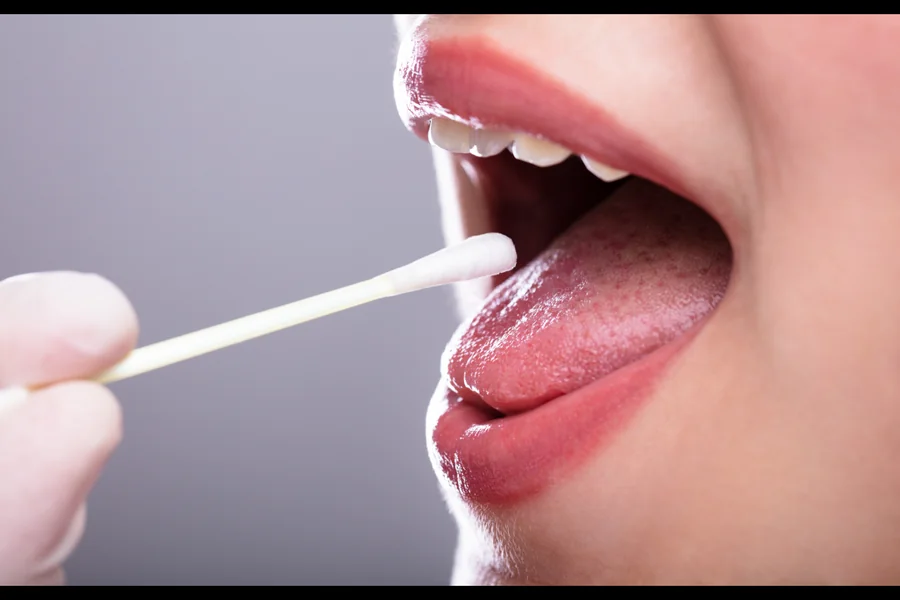
Navigating health decisions can feel overwhelming. Salivary diagnostic tests offer valuable insights into your health and aid in detecting potential concerns before they escalate. Asking the right questions ensures you are fully prepared and informed. Whether you’re exploring family dentistry in Sterling or simply considering your next test, understanding the process is crucial. By asking the right questions, you gain clarity and confidence. These questions will help you understand the purpose of the test, how it works, and what the results might mean for you. It places you in a position of empowerment, ensuring you’re not just a passive participant. Your health is personal, and taking an active role is key to better outcomes. As you approach these tests, remember the power of informed inquiry. Begin with these six questions to enhance your understanding and ensure your health decisions are based on clear and reliable information.
1. What Is the Purpose of the Test?
Understanding why a salivary diagnostic test is recommended allows you to see its relevance to your health. These tests go beyond traditional blood tests by identifying specific markers in saliva that might indicate health issues. Whether it’s to check for oral health concerns or to detect viral infections, knowing the purpose helps you comprehend the test’s importance.
2. How Is the Test Conducted?
Salivary tests are non-invasive and simple. You will usually collect a saliva sample in a container. This simplicity makes it a preferred choice for many. However, it’s important to know the specific steps required, such as whether to fast before the test. Understanding the procedure helps in reducing anxiety and ensuring accurate results.
3. What Information Will the Results Provide?
| Test Type | Possible Conditions Detected |
|---|---|
| Salivary Hormone Test | Hormone imbalances, stress levels |
| Oral Health Test | Gum disease, tooth decay |
| Viral Infection Test | COVID-19, other viral infections |
Each test targets specific markers, so understanding what information you’ll gain is essential. Knowing what to expect from the results allows you to prepare for potential follow-up actions.
4. How Accurate Are the Results?
Accuracy is crucial for any diagnostic test. Salivary tests are generally reliable, but understanding their limitations and accuracy rates is important. Ensure you ask if factors like recent medications or lifestyle choices could affect results. The Centers for Disease Control and Prevention offers resources on test accuracy and reliability.
5. What Are the Next Steps After Receiving the Results?
Knowing what to do once you have your results is vital. Results may indicate a need for lifestyle changes or further testing. Discussing follow-up steps with your healthcare provider helps you plan the best course of action. This proactive approach aids in managing your health effectively.
6. Is This Test Covered by Insurance?
Insurance coverage for diagnostic tests can vary. It’s best to check with your provider to avoid unexpected costs. Understanding coverage details beforehand ensures that you are prepared financially. The Medicare website provides information on insurance coverage for various tests.
Asking these questions supports a clear understanding of your health journey. Salivary diagnostic tests offer unique insights, and being informed helps you make empowered decisions. You have the tools to take charge of your health. Remember, being proactive is key to managing health risks and achieving peace of mind.
