

Understanding dental X-rays and exams is important. They play a big role in keeping your teeth healthy. X-rays help dentists see issues not visible during a routine check-up. These issues might include hidden cavities or problems with your tooth roots. Regular exams catch problems early, often saving time and discomfort later. During your visit, you might hear about new services like Laser dentistry in Denton. This modern approach offers different options for dental care that may be less invasive. Remember, taking charge of your dental health means staying informed and active in your care choices. A good partnership with your dentist leads to a healthy smile. By learning about these tools and techniques, you make smarter choices about your oral health. Stay curious, and never hesitate to ask questions during your dental visit. Your smile deserves the best care available, and you have the power to ensure it gets exactly that.
Why Dental X-Rays Matter
Dental X-rays reveal what the eye cannot see. They help in spotting decay between teeth, identify bone loss, and detect infections at the root of the tooth. X-rays are crucial for planning treatments like braces or implants. The process is quick, usually taking only a few minutes. The technology used is safe, emitting low levels of radiation. According to the U.S. Food and Drug Administration, the benefits of these X-rays far outweigh the risks, especially when protective measures are in place.
Types of Dental X-Rays
| Type of X-Ray | Purpose |
| Bitewing | Shows details of upper and lower teeth in one area of the mouth. |
| Periapical | Focuses on one or two teeth at a time, showing the entire tooth from crown to root. |
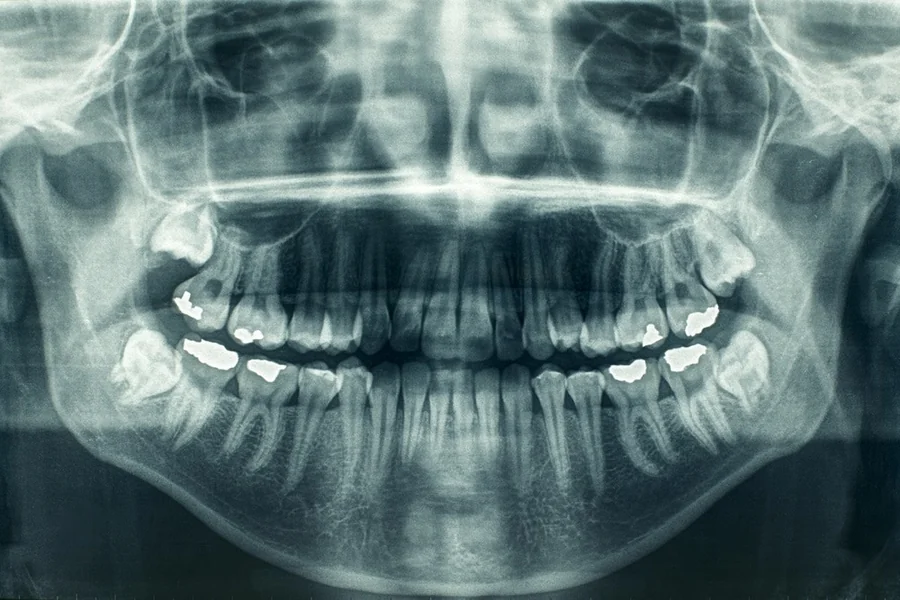
| Panoramic | Provides a broad view of the jaws, teeth, sinuses, and joints. |
Bitewing X-rays are common during check-ups. They help find decay between teeth. Periapical X-rays focus on a few teeth, giving detailed views. Panoramic X-rays are wide, capturing the entire mouth, and are helpful for complex procedures. Each has a specific purpose and benefits your dental health in different ways.
The Role of Regular Dental Exams
Regular dental exams are crucial. They allow your dentist to check for issues such as gum disease, oral cancer, and tooth wear. During an exam, your dentist will clean your teeth, remove plaque, and polish them. This helps prevent cavities and gum disease. The American Dental Association recommends check-ups every six months. This timing ensures early detection and treatment of dental problems, saving you pain and expense in the long run.
How to Prepare for Your Visit
- List any dental problems or pain you experience.
- Note changes in your overall health, such as new medications.
- Jot down questions about treatments or techniques like laser dentistry.
Being prepared helps you make the most of your appointment. Share your concerns and be open with your dentist. This ensures you receive personalized care that fits your needs.
Comparing Traditional and Digital X-Rays
| Aspect | Traditional X-Rays | Digital X-Rays |
| Image Development | Takes longer, uses film | Instant, uses digital sensors |
| Radiation Exposure | Higher | Lower |
| Environmental Impact | More waste (chemicals) | Less waste |
Digital X-rays are faster and more environmentally friendly. They expose you to less radiation. However, both types are effective and safe when performed by professionals.
Conclusion
Dental X-rays and exams are essential in maintaining oral health. They provide valuable information that aids in diagnosis and treatment. Understanding the different types of X-rays and the benefits of regular exams encourages proactive dental care. Remember, staying informed and engaged in your dental health leads to a lifelong healthy smile. Take control of your dental care to ensure your smile stays bright and healthy, as discussed in timelapsemagazine.
