

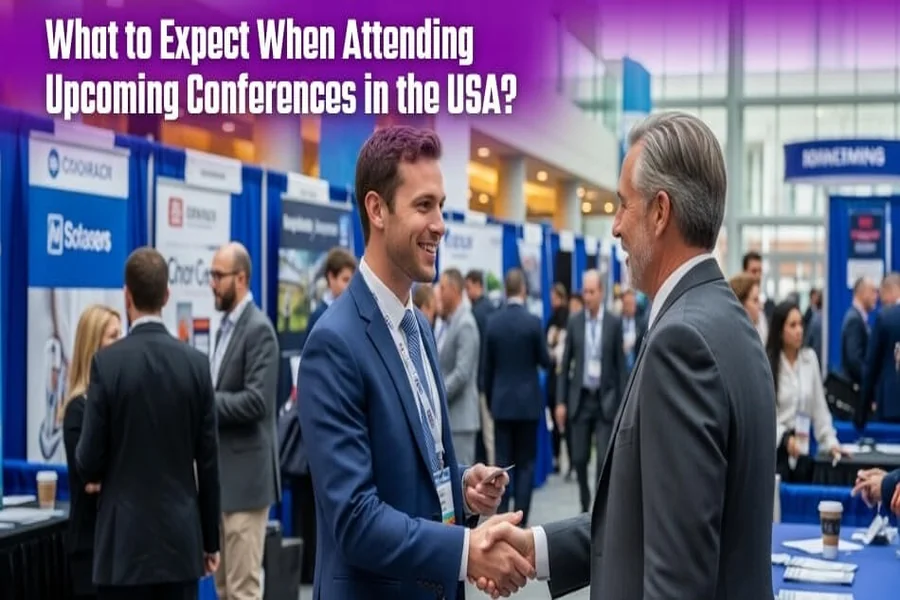
Professional conferences in the United States bring together experts, innovators, and learners from around the world. These events offer vibrant spaces for knowledge sharing, networking, and discovering industry trends. Many first-time attendees wonder what to expect when attending upcoming conferences in the USA and how the overall experience unfolds from arrival to closing sessions.
In simple terms, conferences in the USA usually include keynote speeches, expert talks, workshops, networking sessions, and exhibitions where professionals exchange ideas and build connections. Attendees gain new insights, meet industry leaders, and explore emerging trends. Discover how to make the most of upcoming conferences in the USA by reading on.
What to Expect When Attending Upcoming Conferences in the USA?
Attending conferences in the United States offers professionals a dynamic mix of learning, networking, and industry exposure. Many professionals explore upcoming conferences USA to find events that match their interests and career goals. From keynote speeches and expert panels to workshops and exhibitions, these gatherings help attendees gain insights, build connections, and stay updated with industry trends. Here’s what you can expect:
The First Day of a Conference
The first day of a conference often brings excitement, curiosity, and many opportunities to explore the event environment. Attendees usually begin by checking in, reviewing schedules, and understanding the venue layout. This early preparation helps participants navigate sessions smoothly and enjoy meaningful interactions throughout the conference.
Registration and Badge Collection
Most attendees begin their first conference day at the registration desk to complete check-in and collect badges. Staff members provide welcome kits, event guides, and schedules. These materials help participants understand sessions, locate rooms, and start conversations with other attendees confidently.
Conference Orientation and Agenda Overview
After registration, attendees usually review the conference agenda to understand keynote sessions, workshops, and panel discussions. Organizers often host short orientation briefings that explain event highlights and important timings. This guidance helps participants plan their schedules and choose sessions carefully.
Exploring the Conference Venue
Many participants spend time exploring the venue to locate session rooms, networking lounges, and exhibition halls. Walking around early helps attendees understand the layout and avoid confusion later. Visitors also discover exhibitor booths where companies showcase innovations, products, and emerging industry solutions.
Learning Opportunities at Conferences
Conferences create valuable spaces where professionals learn from experts and explore new developments in their fields. Attendees gain fresh ideas, practical knowledge, and a deeper understanding through presentations, discussions, and shared experiences. These learning opportunities help participants stay informed and improve their professional skills.
Research Presentations and Case Studies
Experts often present research findings and real case studies during conference sessions to share practical industry knowledge. These presentations explain challenges, methods, and results in clear ways. Attendees listen carefully, learn new strategies, and understand how professionals solve real problems in different fields.
Industry Trends and Insights
Conference sessions often highlight the latest industry trends, technologies, and innovative practices shaping different professional fields. Speakers discuss new tools, strategies, and research developments. Attendees gain valuable insights that help them understand future directions and make better decisions in their careers.
Interactive Discussions With Experts
Many conferences encourage audience interaction through question sessions, open discussions, and small group conversations with speakers. Participants ask questions, share opinions, and exchange ideas with experts. These interactions create engaging learning environments where attendees clarify doubts and deepen their understanding.
Networking Opportunities at the US Conferences
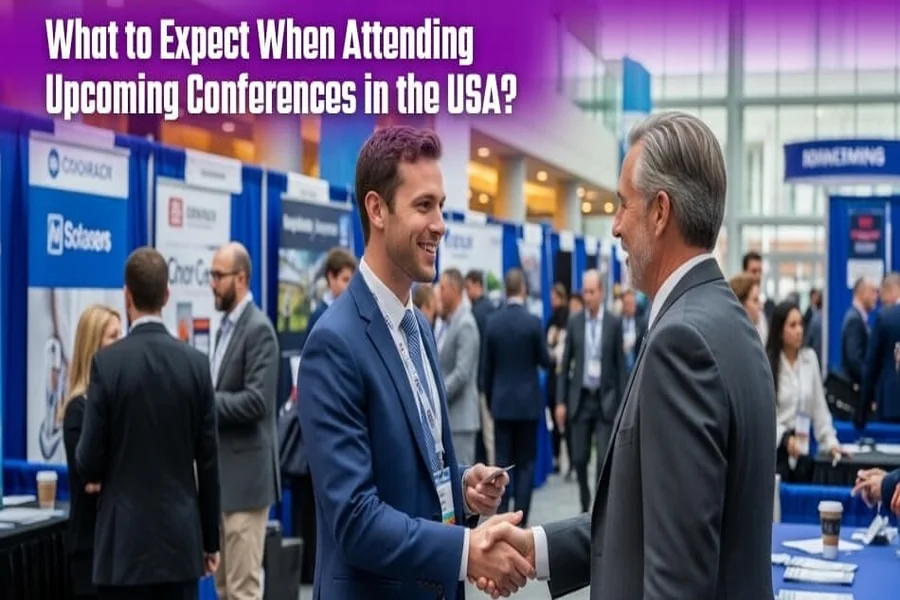
Networking forms a central part of conference experiences because professionals attend not only to learn but also to connect. These events create spaces where attendees meet peers, share ideas, and explore partnerships. Strong connections built here often lead to future collaboration, learning, and career opportunities. These are the networking opportunities you’ll find at these conferences.
- Planned Meetups: Conferences organize structured networking events where professionals gather in small groups and introduce themselves. These meetups encourage conversations, idea sharing, and relationship building among attendees from different industries and backgrounds.
- Social Gatherings: Many conferences arrange evening receptions, coffee meetups, or welcome dinners that promote relaxed networking opportunities. These social settings help attendees communicate freely, exchange experiences, and create comfortable professional connections with new people.
- Break Conversations: Attendees often start natural conversations during coffee breaks, hallway meetings, or waiting time between sessions. These casual moments allow participants to share opinions, discuss sessions, and connect with professionals who share similar interests.
- Idea Exchange: Informal discussions between sessions often help attendees exchange ideas about industry challenges and new developments. These quick interactions create meaningful dialogue and sometimes develop into deeper professional relationships.
- Career Connections: Networking activities help attendees meet mentors, collaborators, recruiters, and potential partners from various organizations. These interactions expand professional networks and open doors to research, projects, or future career opportunities.
How to Prepare Before Attending a Conference in the USA?
Preparing properly before attending a conference in the United States can significantly improve your networking opportunities, learning outcomes, and overall experience. Whether you are attending for academic, business, or professional development purposes, careful planning ensures that you make the most of the event. Below are the essential steps to prepare effectively before traveling to and participating in a conference in the USA.
Confirm Your Registration and Documentation
Start by ensuring that your conference registration is completed and confirmed. Most conferences provide a confirmation email or digital ticket after registration. Save both a digital and printed copy for easy access during check-in.
If you are traveling internationally, verify that your passport is valid for at least six months beyond your planned stay. You should also confirm your visa requirements. Many conference attendees apply for a B-1 Business Visitor Visa, which allows individuals to attend professional meetings, conferences, and seminars in the United States.
Keep the following documents organized in both digital and printed formats:
- Passport and visa
- Conference registration confirmation
- Invitation letter from the conference organizer
- Hotel reservation details
- Return flight tickets
- Travel insurance documents
Having these documents readily available will help streamline airport immigration procedures and conference registration.
Plan Your Travel and Accommodation Early
Booking flights and accommodation early can save money and reduce last-minute stress. Many conferences offer special hotel rates through partner hotels located near the venue.
Choose accommodation that is within walking distance or easily accessible by public transportation. This reduces commuting time and helps you arrive on time for sessions, workshops, and networking events.
It is also helpful to arrive one day before the conference begins. This allows time to adjust to the time zone, settle in, and locate the conference venue.
Review the Conference Agenda in Advance
Before attending the event, carefully review the official conference schedule. Most conferences publish a detailed agenda including keynote sessions, panel discussions, workshops, and networking activities.
Identify sessions that align with your interests, research area, or professional goals. Creating a personalized schedule helps you avoid missing important presentations.
Key things to look for in the agenda include:
- Keynote speeches
- Breakout sessions relevant to your field
- Poster presentations
- Networking events or social gatherings
- Workshops or training sessions
By planning your schedule in advance, you can use your time efficiently during the conference.
Prepare Your Networking Materials
Networking is one of the most valuable aspects of attending a conference in the USA. Preparing the right materials helps you make strong professional connections.
Bring professional business cards with your name, title, organization, email address, and LinkedIn profile. If you are presenting research or representing a company, prepare a short introduction about your work.
You may also want to prepare:
- A concise professional introduction (30-second elevator pitch)
- A digital portfolio or presentation materials
- Copies of your resume or research summary
- LinkedIn QR code for quick connections
These materials help you introduce yourself confidently to researchers, professionals, and potential collaborators.
Prepare Your Presentation (If You Are Presenting)
If you are presenting a paper, poster, or project, preparation is essential. Ensure your slides are clear, well-structured, and visually engaging. Practice your presentation multiple times to stay within the allotted time.
Some additional preparation tips include:
- Save your presentation on a USB drive and cloud storage
- Bring backup files in PDF format
- Print handouts if necessary
- Prepare answers for potential audience questions
For poster presentations, check the conference guidelines regarding poster size and format before printing.
Understand Cultural and Professional Etiquette
Professional etiquette in the United States may differ from other countries. Understanding basic expectations helps you interact confidently with other attendees.
In professional settings, it is common to:
- Maintain punctuality for sessions and meetings
- Introduce yourself with a handshake
- Use first names in many professional environments
- Participate actively in discussions and Q&A sessions
Being respectful, open to discussion, and professionally approachable can help build lasting professional relationships.
Pack Essentials for the Conference
Packing appropriately ensures you are prepared for both the conference sessions and networking activities.
Essential items to pack include:
- Business attire or professional clothing
- Comfortable shoes for walking between sessions
- Laptop or tablet for note-taking
- Phone charger and power bank
- Notebook and pen
- Business cards
- Personal medications and travel essentials
Some conferences also have formal dinners or social events, so including one formal outfit can be helpful.
Tips for Making the Most of a Conference Experience
Attending a conference offers valuable learning and networking opportunities, but preparation helps you gain greater benefits. With simple strategies, participants can manage time, join meaningful discussions, and connect with others effectively. Smart planning ensures every session and interaction contributes to a productive conference experience. Here are some tips to help you:
- Plan Sessions Early: Review the conference agenda before arrival and select sessions that match your interests and professional goals. Early planning helps you manage time wisely and avoid missing important talks or valuable learning opportunities.
- Engage With Speakers: Listen actively during presentations and take notes to capture key ideas shared by experts. Asking thoughtful questions after sessions helps deepen understanding and creates meaningful conversations with speakers.
- Network With Attendees: Introduce yourself to other participants during breaks or networking events to start professional conversations. These interactions help you exchange ideas, share experiences, and build useful professional connections.
- Take Useful Notes: Write down important insights, key points, and interesting ideas discussed during presentations and discussions. Organized notes help you remember valuable lessons and apply them after the conference ends.
- Explore Exhibition Areas: Visit exhibitor booths to learn about new tools, services, and innovations presented by organizations. Conversations with exhibitors help you understand industry solutions and emerging technologies.
What International Attendees Should Expect?
International attendees traveling to the United States for a conference should prepare for a professional, fast-paced, and highly organized event environment. Conferences in the U.S. are designed to encourage knowledge sharing, networking, and collaboration among global participants. Let’s explore what international attendees should expect.
Structured and Well-Organized Conference Programs
Most conferences in the United States follow a detailed and time-sensitive schedule. Attendees can expect a structured agenda that includes keynote speeches, panel discussions, breakout sessions, workshops, and networking activities.
Conference sessions typically start on time and follow strict time limits for presentations and discussions. It is common for participants to move quickly between sessions, so reviewing the conference schedule in advance is important. Many events also provide a mobile app or digital platform where attendees can access the agenda, session details, and speaker information.
Diverse Global Participation
International conferences in the U.S. attract professionals, researchers, academics, and industry leaders from around the world. As an international attendee, you will likely interact with people from different countries, disciplines, and professional backgrounds.
This diversity creates a valuable opportunity to exchange ideas, discuss global trends, and explore cross-border collaborations. It also means that conversations often include different perspectives, making discussions more engaging and informative.
Strong Networking Opportunities
Networking is one of the most important aspects of attending a conference in the United States. Many conferences intentionally design networking opportunities through coffee breaks, receptions, roundtable discussions, and social events.
International attendees should expect open and approachable communication styles. It is common for participants to introduce themselves, exchange business cards, or connect through professional platforms such as LinkedIn. Informal conversations during breaks often lead to meaningful professional connections.
Interactive Sessions and Audience Participation
Unlike some formal events where the audience mainly listens, conferences in the U.S. often encourage active participation. Attendees are welcome to ask questions, share opinions, and participate in discussions during Q&A sessions.
Panel discussions and workshops may also include interactive activities, small group discussions, or problem-solving exercises. International participants should feel comfortable contributing to conversations, as engagement is generally encouraged.
Professional and Business-Casual Environment
Most conferences in the United States maintain a professional but comfortable atmosphere. The typical dress code ranges from business casual to formal business attire, depending on the type of conference.
For example, academic conferences often have a business-casual dress style, while corporate or industry events may lean more toward formal business attire. Comfortable shoes are recommended, as attendees may walk between multiple session rooms or conference halls.
Technology-Driven Conference Experience
Many U.S. conferences incorporate digital tools to enhance the attendee experience. International attendees should expect the use of technology such as:
- Conference mobile apps for schedules and announcements
- Digital check-in and badge printing
- Online networking platforms
- Live polling or Q&A tools during sessions
- Hybrid or live-streamed presentations
Reliable Wi-Fi is usually available at conference venues, allowing attendees to access event platforms and connect with other participants.
Opportunities for Learning and Professional Development
Conferences in the United States often focus heavily on learning and professional growth. Attendees can expect to gain insights into the latest research findings, industry innovations, emerging technologies, and best practices within their field.
Workshops and specialized sessions may provide practical training, certifications, or skill development opportunities. These sessions are especially valuable for professionals looking to advance their careers or expand their expertise.
Cultural and Professional Etiquette
International attendees may notice certain cultural norms in U.S. professional settings. For example, punctuality is highly valued, and arriving on time for sessions and meetings is expected.
Communication tends to be direct, friendly, and collaborative. It is common for people to introduce themselves with their first name, even in professional environments. Respectful dialogue, active listening, and openness to new ideas are highly appreciated.
Social Events and Informal Gatherings
Many conferences include social events such as welcome receptions, networking dinners, or city tours. These activities provide a relaxed environment where attendees can build relationships outside formal sessions.
International participants should take advantage of these opportunities, as informal interactions often lead to meaningful professional connections and collaborations.
Post-Conference Engagement
After the conference ends, it is common for attendees to continue conversations and collaborations online. Many participants connect through email, LinkedIn, or professional communities to maintain relationships formed during the event.
Following up with contacts after the conference helps strengthen professional networks and can lead to future partnerships, research opportunities, or collaborative projects.
Benefits of Attending Conferences in the USA
Professionals, students, and researchers can learn, connect, and grow in a global setting by attending conferences in the USA. These events offer strong networking, fresh ideas, expert guidance, and career value. They also help attendees build confidence, discover trends, and explore new opportunities. Here are the benefits discussed below:
- Global Networking: Meet experts, speakers, and attendees from many countries and industries in one place. These connections can lead to future partnerships, referrals, and long-term professional relationships.
- Industry Insights: Learn about current trends, market changes, and new ideas directly from experienced professionals. This helps you stay informed and better understand where your field is heading.
- Expert Learning: Attend sessions led by skilled speakers, researchers, and industry leaders with real experience. Their knowledge can give you practical tips and a broader understanding of key topics.
- Career Growth: Conferences can open doors to jobs, mentorships, and better professional opportunities. You may meet recruiters, decision-makers, or people who can support your next career step.
- Skill Building: Workshops and live sessions often teach useful skills you can apply quickly. You can improve communication, research, leadership, or technical abilities through direct learning.
- Fresh Ideas: Listening to different viewpoints can spark new thoughts and creative solutions. This can help you improve your work, research, or business plans with more confidence.
- Research Exposure: Academic and professional conferences help you present your ideas to a wider audience. This increases visibility and may bring useful feedback from experts in your field.
- Business Opportunities: Conferences often connect people with clients, investors, and service providers. This makes them a good place to explore deals, partnerships, and business growth.
- Cultural Experience: Attending a conference in the USA also gives you international exposure beyond the event. You learn professional norms, communication styles, and workplace culture in a new environment.
- Brand Visibility: Sharing your work or joining discussions can improve your personal or company image. People remember active participants who add value and communicate clearly during events.
- Confidence Boost: Speaking with professionals and joining sessions can improve your confidence over time. Each conversation and activity helps you feel more prepared in professional settings.
- Useful Resources: Many conferences provide guides, materials, recordings, and tools for continued learning. These resources can support your goals even after the event is over.
Frequently Asked Questions
Professionals often search for quick answers before attending conferences in the United States. The following FAQs address common queries people frequently ask online but may not appear in detailed guides. These answers help readers understand logistics, participation options, and practical expectations before attending conferences.
How Long Do Conferences In The USA Usually Last?
Many conferences in the United States last between two and four days, depending on the event size. Large international conferences may extend longer with workshops, training sessions, and networking activities scheduled across several days.
Do Conferences In The USA Offer Certificates Of Participation?
Many professional and academic conferences provide certificates to confirm attendance or participation. These certificates often help professionals demonstrate learning activities, professional development, or research presentation experience in their careers or academic records.
Are Conferences In The USA Open To Students?
Many conferences welcome students, especially academic, research, and technology events. Students often receive discounted registration fees and gain valuable exposure by attending sessions, meeting experts, and learning about industry trends and career opportunities.
Can You Attend Only One Day Of A Conference?
Some conferences offer single-day passes for attendees who cannot participate during the entire event. These passes allow professionals to attend selected sessions, keynote talks, or workshops without registering for the full conference schedule.
Do Conferences Provide Meals Or Refreshments?
Many conferences provide light refreshments, coffee breaks, or networking lunches during scheduled breaks. However, meal arrangements vary by event, so attendees should check the conference agenda or registration details for specific catering information.
How Early Should You Arrive At A Conference Venue?
Arriving at least thirty to forty-five minutes before the first session helps attendees complete registration smoothly. Early arrival also gives time to review the venue layout, check schedules, and settle comfortably before presentations begin.
Last Words
Professional events in the US provide excellent opportunities to network, learn, and discover new concepts across industries. Understanding what to expect when attending upcoming conferences in the USA helps participants prepare better, stay confident, and take full advantage of sessions, networking opportunities, and industry insights.
With the right preparation and mindset, conferences can become powerful experiences that support learning, collaboration, and career growth. Every session, discussion, and activity at future conferences in the USA becomes more significant and fulfilling when you know exactly what to anticipate.
