

Key Takeaways
- Automotive surface coatings offer protection, enhanced appearance, and long-term value preservation.
- Options include traditional paints, advanced ceramics, and new, environmentally friendly coatings.
- Choosing the right type is influenced by cost, durability, aesthetics, and environmental impact.
- Professional guidance can help car owners make selections suited to climate, usage, and preferences.
Keeping a vehicle looking its best goes beyond regular washing and waxing. With the variety of environmental factors that cars face, sun exposure, rain, road debris, and chemical contaminants, protecting the exterior has become more important than ever. Over the years, automotive surface coatings have evolved to offer enhanced durability, improved gloss, and longer-lasting protection compared to traditional methods. Understanding the differences between these coatings can help car owners make informed decisions about preserving their vehicle’s appearance and value.
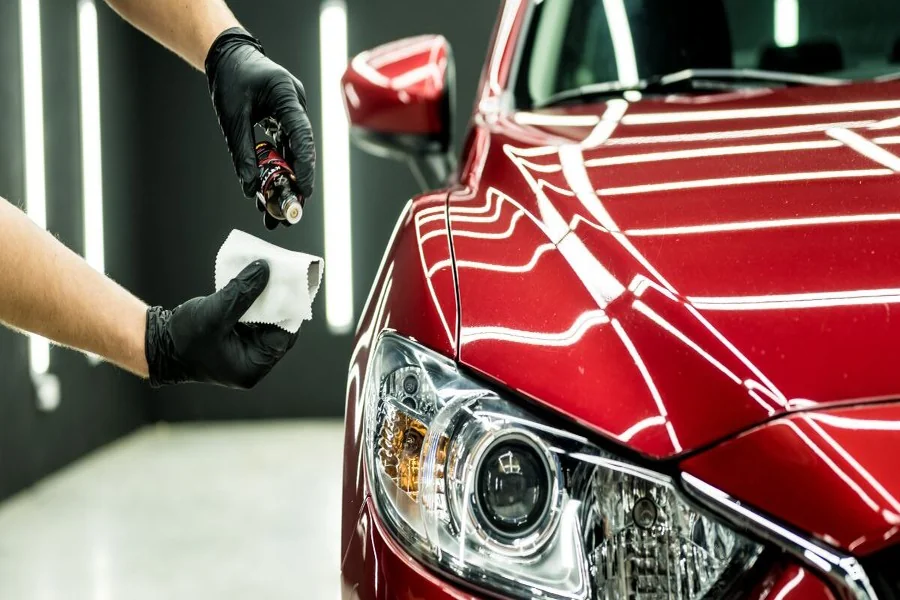
One popular option gaining attention is ceramic coating, which forms a semi-permanent bond with the paint surface to repel water, dirt, and minor contaminants. Many car enthusiasts seek services like ceramic coating for cars in Jacksonville Beach, FL, because it reduces the need for frequent maintenance while maintaining a smooth, glossy finish. Whether it’s a polymer-based sealant, a ceramic layer, or a traditional wax, each coating type offers unique benefits that cater to different levels of protection and aesthetic preferences.
Traditional Paint Coatings
Most cars are finished with layered paint systems that combine primers, basecoats, and clearcoats. The primer creates a stable foundation. The basecoat provides color, and the clearcoat delivers gloss and basic protection against sunlight and abrasive exposure. Despite their effectiveness, these paints can be vulnerable to chipping from road debris, fading with sun exposure, and chemical staining. Regular maintenance, such as washing and waxing, is crucial for preserving these finishes and preventing premature deterioration. Over the years, improvements in formulation have increased durability, but owners must still be diligent about routine upkeep.
Ceramic Coatings
Ceramic coatings are among the most popular solutions for car owners seeking advanced protection. Applied as a liquid polymer, these coatings chemically bond with the vehicle’s surface, forming a durable, semi-permanent layer that resists UV rays, road salts, chemicals, and light scratches. The coating also creates a hydrophobic (water-repellent) surface, making it more difficult for dirt and water spots to adhere, helping keep the car looking cleaner for longer.
For many vehicle owners, finding professional services such as automotive ceramic coating near me ensures proper application and optimal results. When applied correctly, ceramic coatings provide a glossy, sleek finish that can last for years while simplifying routine car care. Beyond aesthetics, this protective layer contributes to long-term vehicle longevity, reducing the need for frequent detailing and helping maintain the car’s value.
Waterborne Coatings
Waterborne coatings have emerged as an attractive solution for environmentally conscious consumers. These coatings use water rather than harsh chemicals as the main solvent. The result is a significant reduction in volatile organic compounds (VOCs), meeting regulatory requirements and helping protect air quality. Besides being kinder to the environment, waterborne coatings also offer improved adhesion, enhanced color retention, and long-lasting durability. Because they are less toxic during application and safer for workers, these coatings have become popular in both vehicle factories and collision repair shops.
Powder Coatings
The application of powder coatings differs from that of traditional paints. The coating starts as a fine, electrostatically charged powder, which adheres to metal surfaces. The item is then baked, allowing the powder to melt and form a seamless, highly durable barrier. Powder coatings deliver excellent resistance to scratches, chips, and fading, making them a preferred choice for components exposed to frequent impact, such as wheels, grilles, and trim. Because this method produces minimal VOCs and recycles overspray, it is considered highly efficient and eco-friendly. Tight control over the application also yields a thick, uniform coat that stands up well in extreme conditions.
Nanocoatings
One of the latest advancements in surface protection is nanotechnology. Nanocoatings incorporate microscopic particles that form an almost invisible protective layer, bonding with a vehicle’s surface at the molecular level. The result is an ultra-thin shield that enhances scratch resistance, water repellency, and protection from UV degradation. Nanocoatings are particularly valued for their self-cleaning properties, which help wash contaminants away more easily, reducing the frequency of cleaning. Because they form a very tight seal, these coatings can extend the lifespan not only of the paint but also of headlights, mirrors, and chrome details. Research published on nanotechnology applications supports their role in improving automotive durability without altering the car’s appearance.
Self-Healing Coatings
Self-healing coatings go a step further by introducing microcapsules or single-component chemistries that react upon scratching or minor damage. When a car’s surface sustains a scratch, the coating’s structure can flow and fill the defect, restoring the surface’s original appearance. This minimizes the costly and time-consuming process of repainting or refinishing panels. The technology is still developing, but it shows promise for future vehicles, especially for those exposed to parking lot scuffs and day-to-day abrasions. Manufacturers and material scientists continue to explore new ways to improve the speed, durability, and reliability of the self-healing process so that everyday wear does not permanently affect a car’s value or look.
Choosing the Right Coating
The ideal surface coating choice depends on several factors. Durability, maintenance requirements, local climate, aesthetic preferences, and budget all influence the decision. For those looking for an eco-friendly solution, waterborne or powder coatings may be best. Owners prioritizing easy cleaning and a high-gloss finish might prefer ceramic or nanocoatings. Self-healing coatings are a good fit for cars regularly exposed to minor impacts or abrasions. Consulting with an experienced technician ensures selecting a coating tailored to the car’s use and the owner’s expectations.
Conclusion
Modern coating technology gives car owners flexibility and control over how their vehicles withstand the test of time. Reliable protection and an enhanced appearance can increase pride of ownership and help vehicles maintain value for longer. Staying informed about emerging technologies and selecting the right coating keeps any vehicle looking and performing its best.
