

Key Takeaways
- Short-term loans can provide immediate financial relief but may carry high interest rates and fees.
- Responsible use of short-term loans can help maintain credit scores and manage unexpected expenses.
- Overreliance on short-term loans can create a cycle of debt and harm long-term financial health.
Understanding Short-Term Loans
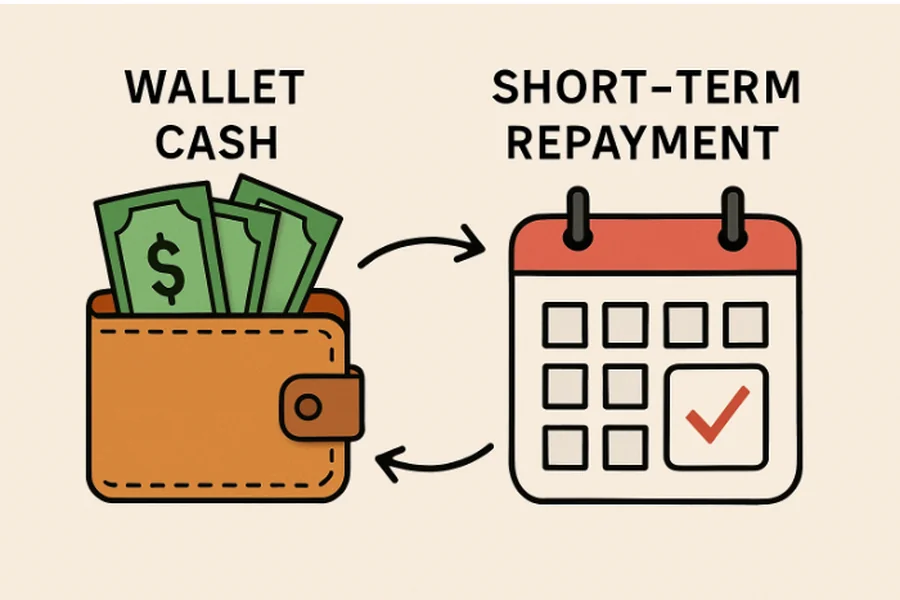
Short-term loans are a form of lending designed to address immediate, unexpected cash flow gaps. These loans typically require repayment within several weeks or months, offering a convenient way to bridge urgent financial needs without long-term obligations. Companies such as MaxLend Loans help individuals access funds quickly, enabling them to manage emergencies or unexpected expenses between paychecks.
Despite their convenience, short-term loans generally come with higher interest rates and fees than traditional long-term loans. This structure compensates lenders for the increased risk associated with shorter repayment periods and often less stringent qualification requirements. For consumers, the speed and accessibility of these loans must be balanced against their cost to avoid additional financial strain.
Borrowers often turn to short-term loans for unplanned medical bills, urgent car repairs, or time-sensitive home expenses. These financial tools are appealing because they do not require an extensive approval process, which means money can be deposited into your account within hours or days.
Given their rising popularity, it is crucial to fully understand both the advantages and essential caveats before integrating a short-term loan into your overall financial strategy. For additional perspective on the effects of borrowing, you may find Finder’s review of MaxLend installment loans helpful.
Benefits of Short-Term Loans
- Immediate Access to Funds: Short-term loans are designed to deliver cash quickly, which can be critical during emergencies. This immediate support can prevent late fees, utility shut-offs, or medical complications that arise when bills go unpaid.
- Credit Score Maintenance: Making timely payments on a short-term loan can help protect or even enhance your credit score. Many lenders report your payment activity to major credit bureaus, meaning responsible borrowing can have a positive impact on your overall creditworthiness.
- Flexibility: These loans offer tailored solutions for one-time needs, allowing borrowers to choose loan amounts and terms that fit specific situations without committing to lengthy debt obligations.
Risks Associated with Short-Term Loans
- High Interest Rates and Fees: The main disadvantage of short-term loans is their cost. Interest rates can be much higher than those for conventional bank loans, significantly increasing the total repayment amount.
- Debt Cycle: Relying too often on short-term loans can lock borrowers into a cycle where new debt is used to repay existing debt, making it difficult to break free from ongoing financial obligations.
- Credit Score Impact: Missing payments or defaulting on a short-term loan can rapidly damage your credit score. The short repayment window means there is little margin for error.
Impact on Financial Planning
Thoughtful integration of short-term loans into your financial plan is crucial for long-term financial stability. The effects of borrowing are simply paying back the loan, and must be considered in the context of your entire financial picture.
- Budgeting: Carefully include loan repayment amounts in your monthly budget. Overlooking this step can put your essential expenses at risk and cause additional financial stress.
- Emergency Funds: Building an emergency savings fund is the best way to reduce reliance on loans for unexpected costs. An emergency fund serves as financial protection, helping you avoid the high interest rates associated with borrowing.
- Financial Goals: Weigh the long-term impact of taking on short-term debt, especially if you have other goals such as saving for retirement, buying a home, or paying off existing debts. Each loan should support, rather than hinder, your broader financial objectives.
Alternatives to Short-Term Loans
While short-term loans can be a helpful resource, it is wise to explore all available options before making a decision. Some practical alternatives include:
- Personal Savings: Tapping into personal savings is often the most cost-effective way to handle sudden expenses. Even a modest savings buffer can reduce financial vulnerability and eliminate the need for costly borrowing.
- Credit Unions: Credit unions typically offer lower-interest loans compared to payday lenders or some online loan services. Membership-based models prioritize borrower interests and frequently include financial counseling as part of their suite of services.
- Payment Plans: Many utility companies, medical offices, and service providers offer extended payment plans for customers facing financial difficulties. Negotiating a payment plan can prevent late fees and interest charges associated with loans.
Research from reputable sources such as the Consumer Financial Protection Bureau emphasizes the value of emergency funds and payment planning for better financial outcomes.
Conclusion
Short-term loans can be helpful financial tools when used responsibly and with careful planning. Understanding interest rates, repayment terms, fees, and potential risks is essential before borrowing to ensure the loan meets immediate needs without creating long-term strain. While these loans can address urgent expenses, they should not replace building emergency savings or pursuing more sustainable financial solutions. Exploring alternatives like personal budgeting, temporary income adjustments, or low-interest credit options often supports better long-term stability. By combining informed borrowing decisions with proactive financial planning, you can manage unexpected costs while maintaining overall economic health and security.
