

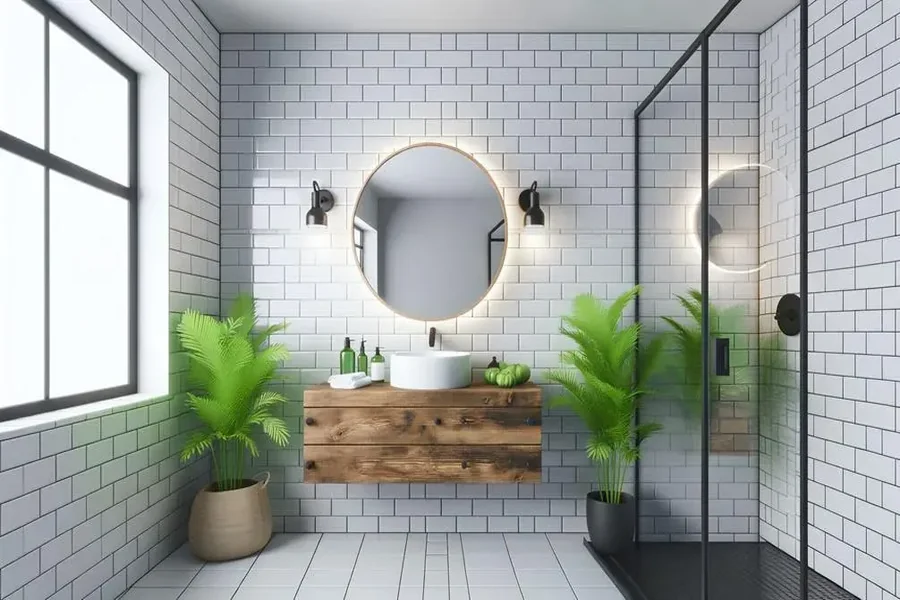
A bathroom renovation is one of the most effective ways to transform your home. Not only does it increase functionality, but it also enhances your living experience and adds value to your property. However, a successful bathroom makeover requires careful planning, design insight, and practical know-how. Whether you’re tackling a small powder room or a luxurious master bathroom, these expert tips will help you navigate the process and achieve a stunning, functional result.
1. Start With a Solid Plan
Before purchasing tiles or fixtures, invest time in thorough planning. Begin by assessing your current bathroom layout and identifying what works and what doesn’t. Consider how you use the space daily and what improvements would make life easier. Do you need more storage? Better lighting? A larger shower? Creating a clear vision will guide your renovation decisions and prevent costly mistakes.
Sketch a rough layout or use online bathroom design tools to visualize changes. Factor in plumbing and electrical requirements, as moving pipes and wires can significantly impact your budget. Remember, a well-thought-out plan saves both time and money in the long run.
2. Set a Realistic Budget
Budgeting is a crucial step in bathroom renovations. Determine how much you are willing to spend and allocate funds to key areas, such as fixtures, tiles, labor, and contingency costs. High-quality materials and skilled labor may cost more upfront, but they offer durability and long-term satisfaction.
Consider prioritizing your budget. Splurge on timeless elements like faucets, showerheads, and vanities, while opting for cost-effective options for tiles or paint. Additionally, always reserve at least 10–15% of your budget for unexpected expenses—renovations rarely go exactly as planned.
3. Focus on Layout and Functionality
A functional layout is the backbone of any successful bathroom renovation. Think about traffic flow and how each element will be used. Place frequently used features, like the sink and shower, in convenient locations. If space is limited, consider installing a corner sink or a wall-mounted vanity to free up floor space.
If your bathroom is small, maximize efficiency with smart storage solutions. Floating vanities, built-in shelves, and medicine cabinets keep essentials organized without crowding the room. Remember, an attractive bathroom is useless if it doesn’t function well in daily life.
4. Choose Timeless Materials
When it comes to materials, aim for a balance between style and durability. Bathrooms are high-moisture areas, so waterproof and easy-to-clean surfaces are essential. Porcelain or ceramic tiles are popular for floors and walls because they are long-lasting and resistant to water. Natural stone, such as marble or granite, adds luxury, but it requires more maintenance.
For countertops, quartz is a practical choice, offering both elegance and durability. When selecting materials, think beyond current trends—timeless designs will prevent your bathroom from feeling outdated in a few years.
5. Upgrade Fixtures and Hardware
Fixtures play a pivotal role in the overall look and functionality of your bathroom. Modern faucets, showerheads, and taps not only enhance aesthetics but also improve water efficiency. Consider installing a dual-flush toilet to conserve water or a rainfall showerhead for a spa-like experience.
Hardware, such as towel racks, handles, and drawer pulls, may seem minor but can dramatically elevate the design. Choose finishes that complement your overall theme—brushed nickel, matte black, and polished chrome are versatile options.
6. Optimize Lighting
Proper lighting transforms a bathroom from ordinary to extraordinary. Layered lighting—ambient, task, and accent—ensures both practicality and ambiance. Ambient lighting, such as ceiling-mounted fixtures, illuminates the entire room. Task lighting, like sconces or LED mirrors, provides focused illumination for grooming and makeup. Accent lighting highlights architectural features, such as niches, shelves, or artwork.
Consider natural light as well. If possible, enlarge windows or install a skylight to make the space feel brighter and more inviting. Light-colored walls and reflective surfaces, like mirrors and glossy tiles, can further enhance the sense of space.
7. Add Stylish Storage Solutions
Clutter can ruin even the most beautiful bathroom. Smart storage solutions keep your space organized and visually appealing. Floating vanities, open shelving, and medicine cabinets are practical choices. For small bathrooms, consider over-the-toilet storage or built-in niches in the shower.
Organize items by frequency of use: daily essentials should be easily accessible, while seasonal items can be stored higher or in cabinets. Investing in quality storage solutions not only improves functionality but also maintains a clean, spa-like atmosphere.
8. Consider Ventilation and Moisture Control
Ventilation is often overlooked but is crucial in preventing mold and mildew. Ensure your bathroom has a properly sized exhaust fan or window to allow for adequate airflow. Fans with humidity sensors are particularly effective, automatically turning on when moisture levels rise.
Waterproofing is equally important. Apply a moisture barrier behind tiles and around wet areas, such as showers and tubs, to protect walls and floors. Proper ventilation and waterproofing extend the life of your renovation and maintain a healthy environment.
9. Infuse Personal Style
While functionality is key, your bathroom should also reflect your personal style. Choose colors, textures, and patterns that resonate with you. Soft, neutral tones create a calming retreat, while bold colors and geometric tiles make a statement.
Consider small decorative touches, like artwork, plants, or luxury towels, to add character. These elements make the bathroom feel uniquely yours without overwhelming the space.
10. Hire Professionals When Needed
Some aspects of a bathroom renovation, such as plumbing, electrical work, and structural changes, require professional expertise. Hiring licensed contractors ensures safety, compliance with building codes, and high-quality results. A skilled bathroom renovation business can bring years of experience and knowledge to your project, ensuring both efficiency and a polished finish. Even if you enjoy DIY projects, don’t compromise on critical systems.
Research contractors thoroughly, check references, and request detailed quotes. A skilled team can help bring your vision to life while avoiding costly errors.
11. Plan for Long-Term Maintenance
A bathroom renovation is an investment, and maintaining it ensures longevity. Choose materials that are easy to clean and resistant to water damage. Regularly inspect grout, caulking, and seals to prevent leaks. Consider using mildew-resistant paint and keeping the space ventilated to reduce moisture buildup.
Long-term maintenance planning not only preserves the beauty of your bathroom but also protects your investment in the years to come.
Transforming your bathroom can be a rewarding endeavor, blending functionality, style, and personal expression. By focusing on careful planning, smart budgeting, and thoughtful design choices, you can create a space that is both practical and luxurious. From selecting durable materials and stylish fixtures to optimizing lighting and storage, every decision contributes to a cohesive, inviting environment.
Remember, a successful renovation balances aesthetics with usability. With these expert tips, your bathroom can evolve from a routine space into a serene retreat—one that elevates your daily life and adds lasting value to your home.
