

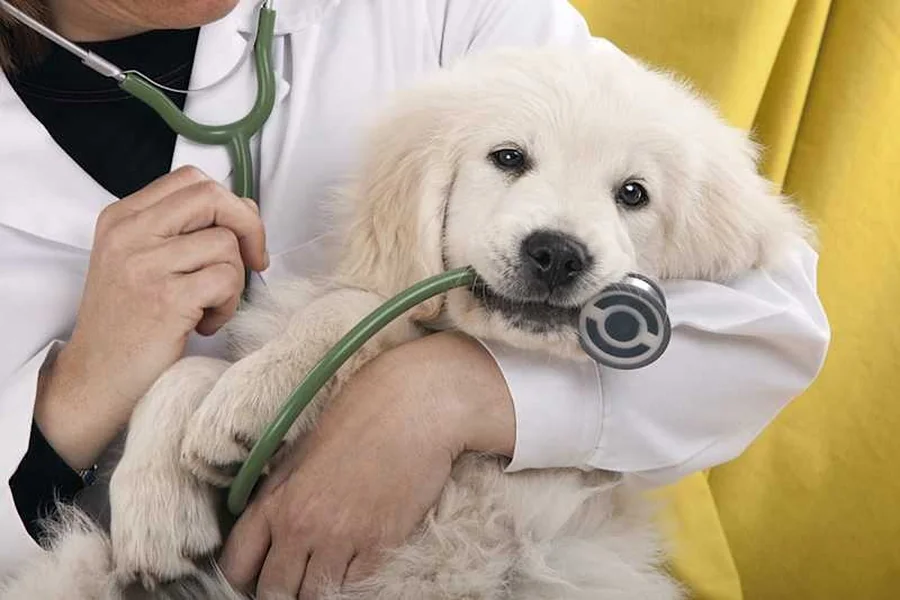
Visiting a veterinarian in Temperance with your pet can cause anxiety, but understanding what to expect may ease your concerns. Your pet’s health is a priority during the appointment. First, the vet will ask about your pet’s history. You’ll discuss eating habits, behavior, and any changes you’ve noticed. Afterward, the physical exam begins. The vet checks your pet’s eyes, ears, and mouth. This helps identify any immediate issues. Blood tests, if needed, provide more information. Vaccinations are updated to prevent illness. If your pet shows signs of pain or illness, diagnostic tests might follow. Before leaving, you’ll receive instructions for at-home care. Your role is crucial in following these steps to ensure your pet’s well-being. Understanding this process helps you and your pet feel more secure. Visits like these strengthen the bond between you and your furry companion, ensuring a happy and healthy life together.
The Importance of Regular Check-Ups
Regular veterinary visits play a key role in keeping your pet healthy. These check-ups allow the vet to detect problems early, making treatment more effective. Early detection can prevent more serious issues down the line. It reinforces preventive care, ensuring your pet remains strong.
Components of a General Check-Up
A typical veterinary appointment includes several steps that focus on your pet’s overall health. Here’s a breakdown of what usually happens:
| Check-Up Component | Purpose |
|---|---|
| History Review | Understanding past health issues and lifestyle. |
| Physical Exam | Identifying immediate health concerns. |
| Vaccinations | Preventing common diseases. |
| Blood Tests | Checking for hidden health issues. |
| Diagnostic Tests | Investigating signs of illness or pain. |
| Care Instructions | Guidance for home to ensure continued health. |
Understanding Vaccinations
Vaccinations are essential in preventing illnesses that can significantly impact your pet’s health. They protect against rabies, distemper, and other diseases. Discuss with your vet about the best vaccination schedule for your pet’s specific needs.
Dealing with Anxiety
Visiting the vet can be stressful for pets. You can help ease this by bringing along their favorite toy or blanket. Comforting items from home can make the visit less daunting. For more tips on calming your pet during a visit, check the American Veterinary Medical Association website.
Preparing for the Appointment
Before the visit, prepare a list of any questions or concerns you have. This ensures you cover all your bases during the appointment. Bring any medical records you might have. Having this information on hand helps the vet provide the best care possible.
Post-Appointment Care
After the appointment, follow the vet’s advice carefully. This may include changes in diet, new medications, or treatments. Regular follow-ups might be needed to monitor your pet’s progress.
Building a Relationship with Your Vet
A strong relationship with your veterinarian benefits both you and your pet. Open communication ensures your pet receives the best care possible. Trust in your vet’s expertise provides reassurance during health challenges.
Conclusion
Routine veterinary appointments are crucial. They safeguard your pet’s health and provide peace of mind. You understand what to expect, reducing anxiety for both you and your pet. A proactive approach to veterinary care ensures your beloved companion stays happy and healthy for years to come.
